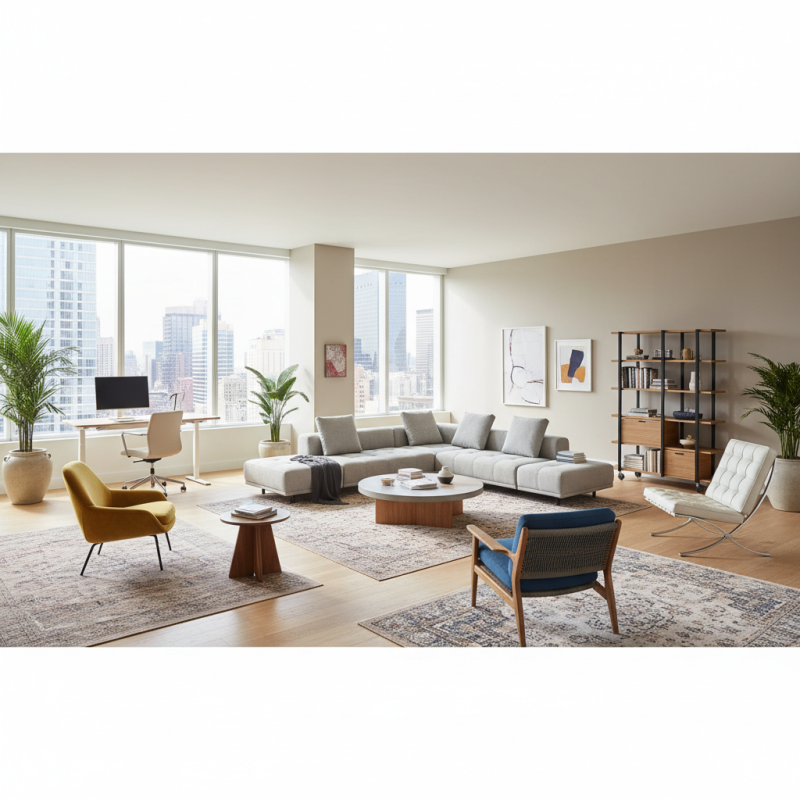
Loose furniture is really a game-changer in modern interior design. It’s all about giving you the freedom to customize your space and feel more at home. As Thomas Meyer from Design Innovations puts it, “Loose furniture turns a static room into something more lively and personal, making it super easy for people to make the space their own.” That kind of flexibility is why it's perfect for not just homes, but also offices and even public spaces — it helps create a vibe that’s uniquely yours.
When we talk about loose furniture, we’re thinking of things like chairs, tables, ottomans, shelves — stuff you can move around and arrange however you like. Unlike built-in pieces, these are easy to reconfigure and refresh, which is especially great if you love having options or tend to change things up often. Plus, with more folks working remotely and the rise of casual, laid-back living, having furniture that can adapt to whatever your lifestyle throws at you is more important than ever.
Adding loose furniture into your space not only looks good but also makes your environment more practical. By understanding how versatile and innovative this kind of furniture is, you can create a space that feels welcoming and truly reflects who you are. In this discussion, we’ll look at why loose furniture is such a big deal today and how it helps strike a perfect balance between style and everyday functionality.
Definition and Characteristics of Loose Furniture
Loose furniture refers to movable pieces that are not fixed to the structure of a room or space. This includes a variety of items such as sofas, chairs, tables, and storage units that can be easily rearranged to suit different layouts and purposes. The defining characteristic of loose furniture is its flexibilityin design and functionality, allowing for dynamic placement that can adapt to specific needs or preferences of the user. Unlike built-in or modular furniture, loose furniture can be moved, replaced, or styLED differently without the hassle of construction.
One of the main benefits of loose furniture is the ease of reconfiguration it offers. In residential settings, it allows homeowners to change the look and feel of their space quickly. In commercial spaces, such as offices and restaurants, loose furniture enables efficient use of the area, facilitating collaboration or providing comfortable dining experiences depending on the arrangement. Moreover, loose furniture can add a personalized touch to any environment, providing opportunities for creative expression through varying materials, colors, and styles. The versatility of loose furniture makes it an essential component in both functional and aesthetic design across various settings.
Benefits of Incorporating Loose Furniture in Interior Design
Incorporating loose furniture into interior design offers a multitude of benefits that enhance both functionality and aesthetic appeal. According to a recent survey by the American Society of Interior Designers (ASID), 78% of designers agree that flexible furniture arrangements contribute significantly to a space’s versatility. Loose furniture, by nature, allows for easy reconfiguration which caters to varying needs, be it for social gatherings or quiet moments. This adaptability is increasingly important in modern homes and commercial spaces where dynamic usage is commonplace.
Moreover, loose furniture promotes a sense of fluidity and movement within a room. A study published in the Journal of Interior Design highlighted that well-placed movable pieces can improve the overall perception of space, making it appear larger and more inviting. This effect is particularly evident in open-plan environments where the lack of fixed structures can create a sense of disconnect; thus, incorporating loose elements such as chairs, ottomans, and side tables helps define areas without the constraints of bulky, permanent furniture. The integration of loose furniture not only enhances user experience but also aligns with sustainability trends, as consumers increasingly seek versatile, long-lasting solutions that can adapt to changing lifestyles.
Common Uses of Loose Furniture in Various Spaces
Loose furniture refers to movable furniture pieces that can be easily arranged and rearranged in various spaces, offering flexibility in design and function. Commonly used in residential spaces like living rooms, loose furniture includes sofas, chairs, coffee tables, and side tables, allowing homeowners to create a personalized and dynamic environment. These pieces can adapt to different social settings, whether it's hosting a family gathering or creating a cozy reading nook.
In commercial spaces, loose furniture is equally versatile. In offices, for instance, it fosters collaboration and communication among employees, enabling quick configuration for meetings or casual interactions. In cafes and restaurants, loose furniture allows patrons to choose seating arrangements that best suit their comfort and social needs. Additionally, loose furniture can help delineate areas within larger spaces, such as creating distinct zones in an open-plan office or providing varied seating options in a waiting area, enhancing both functionality and aesthetics.
Comparison of Loose Furniture with Built-in Furniture
When considering the distinction between loose furniture and built-in furniture, it's important to evaluate the flexibility and adaptability of each type. Loose furniture refers to movable pieces like couches, chairs, and tables that can be rearranged to accommodate various layouts and needs. This flexibility allows homeowners to update their spaces according to trends or personal preferences without significant investment.
On the other hand, built-in furniture, such as cabinets, shelves, and window seats, offers a more permanent solution that often maximizes space utilization. Built-in options can be tailored to fit specific dimensions and styles, providing a seamless look. However, they lack the versatility of loose furniture, which can be a significant consideration for those who enjoy changing their home’s aesthetic or layout.
Tips for Selecting Loose vs. Built-In Furniture:
- Space Planning: Assess your room dimensions and traffic flow to determine whether loose furniture might offer necessary flexibility, or if built-in designs could serve your storage needs more effectively.
- Style Cohesion: Consider how each type integrates with your overall design vision. Loose furniture can easily be swapped out, while built-ins provide a cohesive look.
- Future Needs: Think about how your lifestyle might change. Loose furniture allows for easy adjustments, while built-ins might be more suited for specific long-term requirements.
Popular Materials and Styles for Loose Furniture
Loose furniture encompasses a wide range of standalone pieces that can be easily rearranged to suit various layouts and functions. When it comes to materials, popular choices include wood, metal, and upholstery fabrics. Each material brings its own unique aesthetic and tactile quality to a space. For instance, wood offers warmth and timeless appeal, making it a favorite for cozy living rooms and inviting dining areas. Metal, on the other hand, tends to lend a more modern and industrial feel, perfectly complementing minimalist or contemporary designs. Upholstered pieces, filled with cushions and textiles, add comfort and can serve as vibrant focal points, depending on the chosen fabric pattern and color.
In terms of styles, loose furniture can range from traditional to eclectic, catering to diverse tastes and preferences. Scandinavian designs, known for their simplicity and functionality, often feature loose furniture that emphasizes natural materials and muted colors. Mid-century modern pieces, characterized by their sleek lines and organic shapes, continue to be a popular choice for those who appreciate retro aesthetics. For a more rustic charm, farmhouse-style loose furniture includes reclaimed woods and simple, sturdy designs. By mixing and matching these styles and materials, homeowners can create personalized spaces that reflect their individuality while maintaining flexibility in their layouts.
Design Ideas for Arranging Loose Furniture Effectively
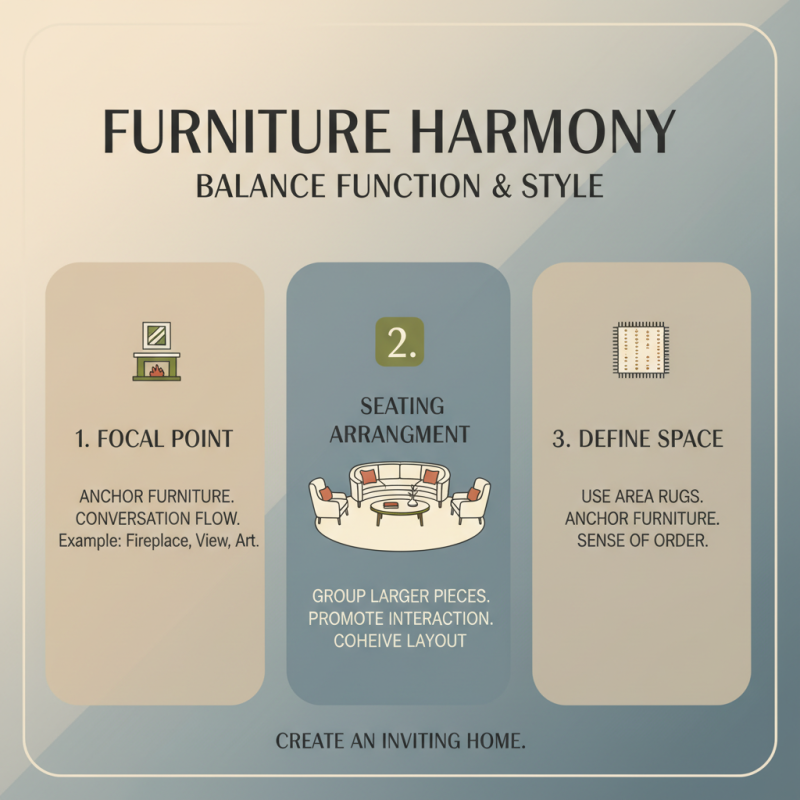
When it comes to arranging loose furniture, the key is to create a balance between functionality and aesthetics. Start by considering the focal point of the space, whether it’s a stunning view, a fireplace, or a piece of artwork. Position larger pieces, like sofas and armchairs, around this focal point to encourage conversation and interaction. This can create a natural flow within the room, while ensuring that the layout feels cohesive and inviting. Additionally, using area rugs can help define the seating area and anchor the furniture, providing a sense of order amidst a more flexible arrangement.
Incorporating flexibility into your design is essential when working with loose furniture. Think about modular pieces that can be easily rearranged to suit different occasions or activities. For instance, ottomans can double as extra seating or coffee tables, while lightweight chairs can be moved around to accommodate larger gatherings. Furthermore, varying the heights and sizes of furniture can help create visual interest and prevent the space from feeling flat. By strategically layering different elements and considering the flow of movement, you can achieve an effective arrangement that not only meets practical needs but also enhances the overall ambiance of the room.
Maintenance and Care Tips for Loose Furniture
Maintaining loose furniture is essential to prolonging its lifespan and keeping it in pristine condition. Regular cleaning is the first step in this process. For upholstered pieces, vacuuming is crucial to remove dust and debris that accumulate in fabrics. Using a soft brush attachment can gently lift dirt without damaging the material. For wooden surfaces, a simple wipe with a damp cloth can remove spills, while specialized wood cleaners can enhance the finish and provide a protective layer.
In addition to routine cleaning, attention to humidity and temperature is vital. Wood furniture is particularly sensitive to changes in the environment, so keeping relative humidity levels stable can prevent warping or cracking. If possible, use coasters and placemats to protect surfaces from scratches and heat damage. Lastly, periodic inspections can help identify any wear and tear early on—tightening screws or screws or replacing worn-out parts can often resolve issues before they become more significant problems. By following these maintenance and care tips, loose furniture can maintain its beauty and functionality for years to come.
What is Loose Furniture? Benefits, Uses, and Design Ideas Explored - Maintenance and Care Tips for Loose Furniture
| Dimension | Details |
| Definition | Loose furniture refers to standalone furniture pieces that are not built-in or fixed, allowing flexibility in arrangement. |
| Benefits | Flexibility in layout, ease of rearrangement, variety in design styles, and ability to change aesthetics with trends. |
| Common Uses | Used in residential and commercial spaces for living rooms, offices, hotels, and event venues. |
| Design Ideas | Mix and match styles, create conversation areas, use multi-functional pieces, or opt for seasonal decor changes. |
| Maintenance Tips | Regular dusting, applying protective coatings, immediate cleaning of spills, and periodic inspections for damage. |
| Care Recommendations | Use coasters to prevent water rings, avoid direct sunlight exposure, and rotate cushions for even wear. |
FAQS
: Loose furniture refers to movable pieces that are not fixed to the structure of a room, including items like sofas, chairs, tables, and storage units which can be easily rearranged.
The main benefits of loose furniture include ease of reconfiguration, personalization, and the ability to adapt to changing needs in both residential and commercial spaces.
Loose furniture is movable and offers flexibility in design, while built-in furniture is permanent and maximizes space utilization, often tailored to specific dimensions.
Consider space planning, style cohesion, and future needs when selecting between loose and built-in furniture.
Loose furniture is commonly used in both residential settings and commercial spaces, such as offices and restaurants.
Yes, loose furniture can add a personalized touch and provide opportunities for creative expression through various materials, colors, and styles.
Loose furniture can be more cost-effective since it allows homeowners to update their spaces without significant investments typically associated with built-in solutions.
Loose furniture can be rearranged to facilitate collaboration by creating open spaces or comfortable arrangements based on the needs of the moment.
The flexibility of loose furniture allows homeowners to easily refresh their space according to changing trends or personal preferences without major renovations.
Yes, loose furniture is often more suitable for temporary living situations due to its portability and ease of rearrangement.
Conclusion
Loose furniture refers to movable pieces rather than built-in units, allowing for flexibility and adaptability in interior design. Its characteristics include a variety of styles, materials, and the ability to be rearranged easily to fit changing needs. Incorporating loose furniture into spaces offers multiple benefits such as enhanced functionality, personalization, and ease of maintenance. Common uses span from residential living rooms to commercial spaces, where it can be employed to create inviting and dynamic environments.
In contrast to built-in furniture, loose furniture provides greater versatility in layout and design. Popular materials for these pieces range from wood and metal to upholstery, each offering unique aesthetics. Effective arrangement of loose furniture can significantly influence the overall ambiance and flow of a space, ensuring comfort and accessibility. Regular maintenance, including cleaning and periodic checking of joints and upholstery, contributes to the longevity of loose furniture, making it a practical choice for any interior setting.